Howard Septic Tank Services Inc. | Branford, Florida

Our Emergency Septic Service Process

Septic backups, wastewater surfacing in the yard, and equipment alarms can be stressful. Learn what to do first, how we assess the problem, and what to expect when requesting emergency septic service.

Septic service and property assessment
Safety first. Find the cause. Plan the repair.
Before Help Arrives

What to Do When a Septic Problem Cannot Wait

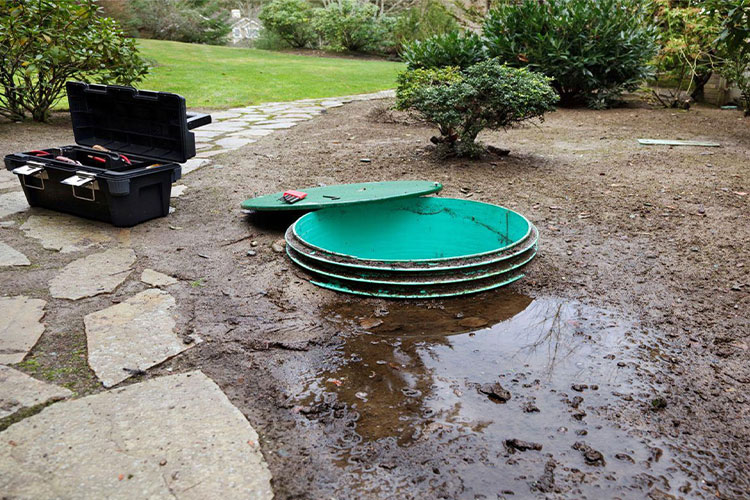
Wastewater backing up inside a building, sewage pooling outdoors, and unexpected septic alarms can point to different problems. Not every situation requires the same repair, which is why identifying the cause matters.

Howard Septic Tank Services Inc. serves Branford and surrounding North Florida communities with septic services. When you contact us, explain the symptoms, when they started, and whether your property has a conventional or aerobic system, if known.

Immediate precautions: Limit or stop water use, keep children and pets away from sewage, and avoid entering contaminated areas or opening septic tanks yourself. If flooding involves electrical equipment, avoid the area and seek appropriate emergency assistance.

Explore Emergency Septic Services
From Your Call to the Next Steps

Our Six-Step Emergency Septic Service Process

The exact work depends on the cause and severity of the problem. These steps explain the general approach, not a guarantee that every repair can be completed in one visit.

Step 1 of 6

Initial Call & Urgent Guidance

When you contact us, describe whether wastewater is backing up into fixtures, collecting outdoors, or setting off an aerobic-system alarm. We use those details to understand the concern and discuss immediate precautions while arranging the next available service visit.

Step 2 of 6

On-Site Assessment & Safety Check

The technician assesses the affected area and looks for indications of sewage exposure, standing wastewater, access restrictions, or electrical hazards. The immediate priority is to evaluate the situation safely before opening or working on system components.

Step 3 of 6

Diagnosing the Source of the Problem

We evaluate relevant accessible components, which may include tank levels, inlet and outlet connections, piping, pumps, alarms, and possible drainfield symptoms. A backup can have several causes, so the diagnosis determines which work is appropriate.

Step 4 of 6

Pumping or Clearing a Blockage When Appropriate

When excessive tank contents or a blockage contributes to the problem, pumping or clearing the affected line may be recommended. Pumping can reduce tank contents, but it will not correct a failed drainfield, broken pipe, or malfunctioning pump by itself.

Step 5 of 6

Discussing & Completing Available Repairs

Once the problem is identified, we explain feasible repair options and any additional work that may be needed. Depending on the system and conditions, service may involve line repairs, components of an aerobic system, or recommendations for more extensive drainfield work.

Step 6 of 6

Functional Checks & Follow-Up Recommendations

After the service that can be completed is performed, we review relevant system operation and discuss remaining concerns. We explain any limitations, future repairs, or maintenance steps so you know what to watch for after the visit.

What Can Change the Scope?

Important Factors in an Emergency Septic Visit

An urgent symptom can result from different system failures, and the correct response depends on what is found on site.

Where the Wastewater Is Going

Backups inside the home, wastewater around the tank, and ponding near a drainfield can indicate different conditions and call for different evaluations.

Equipment and System Type

Conventional septic systems and aerobic treatment systems have different components, and pumps or alarms may require additional troubleshooting.

Access and Underlying Damage

Buried lids, blocked access, damaged piping, and saturated ground may affect which work can be completed safely during the initial visit.

Important: Avoid contact with sewage and do not attempt to enter or open a septic tank. If wastewater is affecting electrical systems or presents another immediate danger, seek the appropriate emergency assistance.
Questions & Answers

Emergency Septic Service FAQs

Practical guidance about common septic emergencies and the service process.

What should I do if sewage is backing up into my home?

Stop using toilets, sinks, showers, and appliances that send water to the septic system. Keep people and pets away from wastewater, avoid attempting to open the tank, and contact a septic professional promptly.

Is a sewage backup always caused by a full septic tank?

No. A blockage, damaged pipe, pump failure, or drainfield problem can also cause wastewater to back up. Identifying the cause is important before deciding whether pumping, repair, or another service is needed.

Can emergency pumping fix a failing drainfield?

Pumping may temporarily lower the amount of wastewater in a tank, but it does not repair a saturated or failing drainfield. A separate evaluation may be required to determine the appropriate long-term solution.

What does an aerobic septic alarm mean?

An alarm can indicate a condition involving the pump, water level, aeration, or control equipment, depending on the system. Avoid ignoring the alert and contact a qualified service provider to evaluate it.

Can I use water normally after the service visit?

That depends on what caused the problem and what work was completed. Follow the technician’s instructions, especially if the source of the backup has not been fully corrected.

How much does emergency septic service cost?

Cost depends on the cause of the problem, access to the tank or equipment, the type of repair needed, and whether additional investigation is required. A site assessment helps clarify the recommended scope of work.

Get Guidance on Your Next Step

Concerned About a Septic Backup or System Failure?

Tell Howard Septic Tank Services Inc. what is happening at your property. We can discuss the symptoms, service availability, and appropriate next steps for the situation.

Contact Us For More Information

Are you a New or Existing Customer?