Howard Septic Tank Services Inc. | Branford, Florida

Our Septic Tank Pumping Process

Wondering what happens during a septic pumping appointment? From locating the tank to reviewing the condition of accessible components, here's how we approach the work and what you can expect at your property.

Septic tank pumping and service equipment
Clear steps. Practical septic care.
Before the Service Visit

What to Expect When You Schedule Septic Pumping

Septic tanks collect wastewater and allow solids to settle before liquid moves into the drainfield. Over time, sludge and floating materials build up. Pumping removes that accumulation as part of routine system maintenance.

At Howard Septic Tank Services Inc., we help property owners in Branford and surrounding North Florida communities understand the work involved, identify visible concerns, and plan sensible follow-up care.

Before we arrive: If you know the tank location or have previous service records, keep that information handy. Make sure vehicles, gates, and other obstacles do not block access where possible.

Explore Our Septic Pumping Services
A Straightforward Service Experience

Our Six-Step Septic Pumping Process

Each property is different, but this is the general sequence we follow when servicing a conventional septic tank.

Step 1 of 6

Initial Consultation & Service Planning

We begin by asking about your septic system, recent pumping history, and any concerns such as slow drains, unpleasant odors, or backups. This helps us understand the situation before arriving and discuss access to the tank and work area.

Step 2 of 6

Locating the Tank & Checking Access

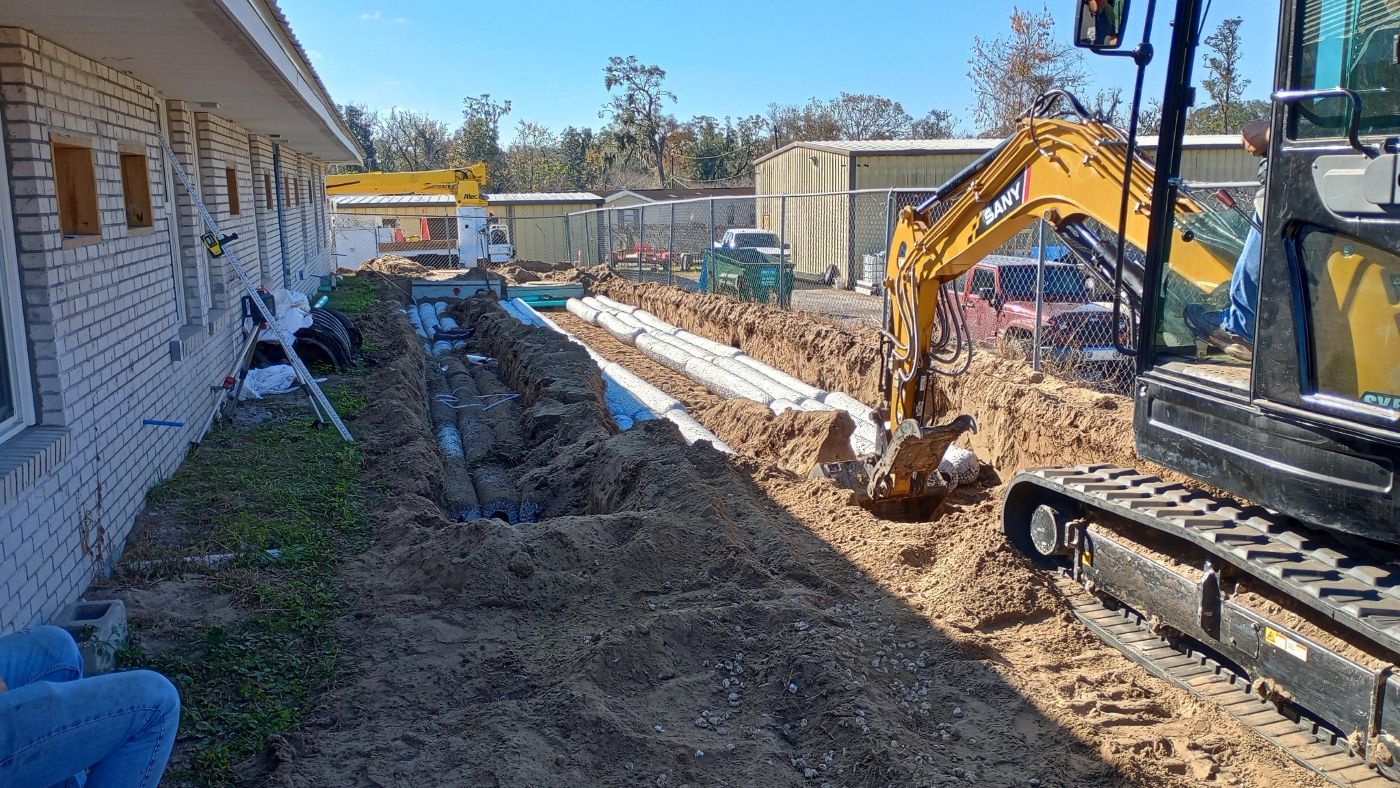
At the property, we identify the septic tank and locate the access covers. Where necessary, the lids must be uncovered before service can begin. We check the work area and available access so pumping equipment can be positioned appropriately.

Step 3 of 6

Pumping the Septic Tank

Using professional pumping equipment, we remove the accumulated wastewater, sludge, and floating solids from the tank. Routine pumping reduces buildup that can interfere with tank performance and contribute to downstream system problems.

Step 4 of 6

Observing Accessible Components

During pumping, we look for visible signs of damage or wear in accessible components, such as tank walls, baffles, and pipe connections. Pumping alone is not a complete diagnostic inspection, but the visit can reveal conditions worth investigating further.

Step 5 of 6

Reviewing Findings & Next Steps

Once the work is complete, we explain any concerns we observed and discuss recommended follow-up service when appropriate. Maintenance intervals depend on tank size, occupancy, water use, and the condition of the system.

Step 6 of 6

Securing the Tank & Completing Service

We close and secure the access covers, clean up the work area, and review practical care recommendations. If additional repairs or diagnostic work are needed, we can discuss the next steps before you make a decision.

Helpful to Know

What Can Affect a Septic Pumping Visit?

Access, maintenance history, and system condition all influence the scope of a service appointment.

Tank Access

Buried or obstructed lids may require additional preparation before the tank can be opened safely.

System Condition

Signs of leakage, damaged parts, or recurring backups may call for diagnosis beyond routine pumping.

Maintenance History

Previous pumping records, tank capacity, and household use can help inform future maintenance planning.

Important: If you're experiencing active sewage backup or pooling wastewater, routine pumping may not address the underlying cause. Tell us about the symptoms when you call so the appropriate service can be discussed.
Questions & Answers

Septic Pumping Process FAQs

Useful answers for homeowners preparing for a pumping appointment.

How do I know when my septic tank needs pumping?

A pumping schedule depends on household size, tank capacity, wastewater volume, and solids buildup. Routine inspection and maintenance are more reliable than waiting for sewage backups or odors.

Can I use the drains while the tank is being pumped?

It is best to minimize water use during the service visit and follow the technician’s instructions. Normal use can generally resume once the tank is secured and the technician confirms the work is complete.

Does pumping fix every septic problem?

No. Pumping removes accumulated tank contents, but it does not repair damaged pipes, a failing drainfield, or other mechanical and structural problems. Persistent issues may require further evaluation.

Do you need access to the septic tank lid?

Yes. The tank access covers must be located and safely opened to perform pumping. If the lids are buried or difficult to reach, additional access preparation may be necessary.

Will the yard be disturbed during pumping?

The amount of disturbance depends on whether the tank lids are already accessible. When excavation is needed to reach them, we explain that before proceeding.

What should I do if sewage is backing up right now?

Avoid using sinks, toilets, and other drains to limit additional wastewater entering the system. Contact a septic professional promptly; avoid contact with sewage and keep people and pets away from affected areas.

Protect Your Septic System

Ready to Schedule Septic Tank Pumping?

Whether you're due for routine maintenance or have questions about your system, contact Howard Septic Tank Services Inc. to discuss your property and next steps.

Contact Us For More Information

Are you a New or Existing Customer?